Unlocking the Power of the Fifth Taste: A Deep Dive into Natural Umami
For centuries, chefs and home cooks alike have intuitively chased a certain depth in their dishes – a rich, savory quality that leaves a lasting impression and encourages another bite. This elusive yet profound sensation is what we now scientifically recognize as
Umami, the fifth basic taste. Alongside sweet, sour, salty, and bitter, umami offers a unique dimension to food, characterized by its meaty, brothy, or savory profile that significantly enhances palatability and leaves a feeling of satisfaction and "mouthfulness." Far from being a niche concept, umami is a universal flavor signal, crucial to our appreciation of countless cuisines around the globe. This guide will explore the science behind this incredible taste and, more importantly, empower you to naturally boost your dishes with a wealth of umami-rich foods.
The Savory Science: What Makes a Dish Umami?
The perception of umami is primarily driven by the presence of the amino acid
L-glutamate. While it often makes headlines in its processed form, monosodium glutamate (MSG), L-glutamate is a naturally occurring compound found in a vast array of ingredients. But the magic of umami doesn't stop there. Its flavor profile is dramatically amplified by specific 5'-ribonucleotides, particularly inosinate (IMP) and guanylate (GMP). When L-glutamate and these nucleotides are present together, they create a synergistic effect, intensifying the savory sensation far beyond what either compound could achieve on its own.
This remarkable taste was first identified and named in 1908 by Japanese chemist Kikunae Ikeda, who isolated glutamate from kombu seaweed dashi broth. He coined the term "umami" from the Japanese words
umai (delicious) and
mi (taste) to describe this newfound deliciousness. Subsequent discoveries in the early 20th century further illuminated the umami landscape, with Shintaro Kodama identifying inosinate in dried bonito flakes and Akira Kuninaka discovering guanylate in shiitake mushrooms. The scientific community recognized umami as a basic taste in 1985, validating what culinary traditions had long understood. Our tongues are equipped with specific taste receptors, primarily the T1R1/T1R3 heterodimer, which efficiently binds glutamate and detects this incredible synergy, signaling the presence of proteins and amino acids – vital nutrients our bodies crave. This innate recognition even begins early in life, with umami naturally present in breast milk to encourage infant feeding. To delve deeper into the fascinating world of umami’s scientific underpinnings, you might find
Umami Unveiled: The Savory Science of the Fifth Basic Taste to be an illuminating read.
Unlocking Natural Umami Bombs in Your Kitchen
The good news is that you don't need a chemistry lab to bring more umami into your cooking. Nature has provided an abundance of ingredients packed with L-glutamate and those synergistic nucleotides. Incorporating these into your meals is an effortless way to elevate flavor and create truly satisfying dishes.
Meats & Seafood
Meats are classic sources of umami, especially when cooked. The natural breakdown of proteins during cooking releases L-glutamate.
- Beef: Roasts, steaks, and slow-cooked cuts are rich in umami. The browning reactions from searing significantly amplify this effect.
- Pork: Particularly cured pork like bacon or ham, which also benefits from fermentation, offers a deep savory flavor.
- Chicken: Dark meat, especially when roasted with the skin on, develops excellent umami.
- Seafood: Certain fish like tuna, mackerel, and anchovies (often used in pastes or sauces) are incredibly umami-rich. Shellfish such as scallops and shrimp also contribute a delicate yet distinct savory note.
Dairy & Fermented Products
Fermentation and aging processes are umami superpowers, concentrating L-glutamate and other flavor compounds.
- Aged Cheeses: Parmesan stands out as an umami superstar, with its crystalline texture indicating high levels of glutamate. Other aged cheeses like Gruyere and aged cheddar are also excellent.
- Soy Sauce: A cornerstone of Asian cuisine, soy sauce is a fermentation marvel, brimming with umami.
- Miso: This fermented soybean paste is incredibly versatile and delivers a profound umami punch, perfect for soups, dressings, and marinades.
- Fish Sauce: Another fermented gem, fish sauce provides a concentrated savory base for many Southeast Asian dishes.
- Yogurt/Kefir: While less intense, cultured dairy products contribute a subtle umami along with their tangy notes.
Vegetables & Fungi
Don't underestimate the plant kingdom's contribution to umami!
- Tomatoes: Ripe tomatoes, especially when concentrated or cooked, are packed with glutamate. Think sun-dried tomatoes, tomato paste, or slow-roasted tomatoes.
- Mushrooms: Fungi are fantastic umami sources, particularly dried varieties. Shiitake mushrooms, both fresh and dried, are rich in GMP. Porcini, cremini, and portobello mushrooms also offer significant savory depth. Rehydrating dried mushrooms concentrates their umami further into the soaking liquid, which then becomes a flavorful broth.
- Seaweed: Kombu (kelp) is the original umami source, essential for Japanese dashi broth, and high in glutamate. Other seaweeds like nori also contribute.
- Onions & Garlic: While not as intensely umami as some other ingredients, slow-cooking these aromatics until deeply caramelized develops complex savory notes.
Mastering Umami: Practical Tips for Culinary Elevation
Understanding which foods are umami-rich is just the first step. The true art lies in knowing how to leverage them in your cooking to build layers of flavor that make your dishes truly unforgettable.
Combine for Synergy
Remember the powerful synergy between glutamate and nucleotides? This is your secret weapon.
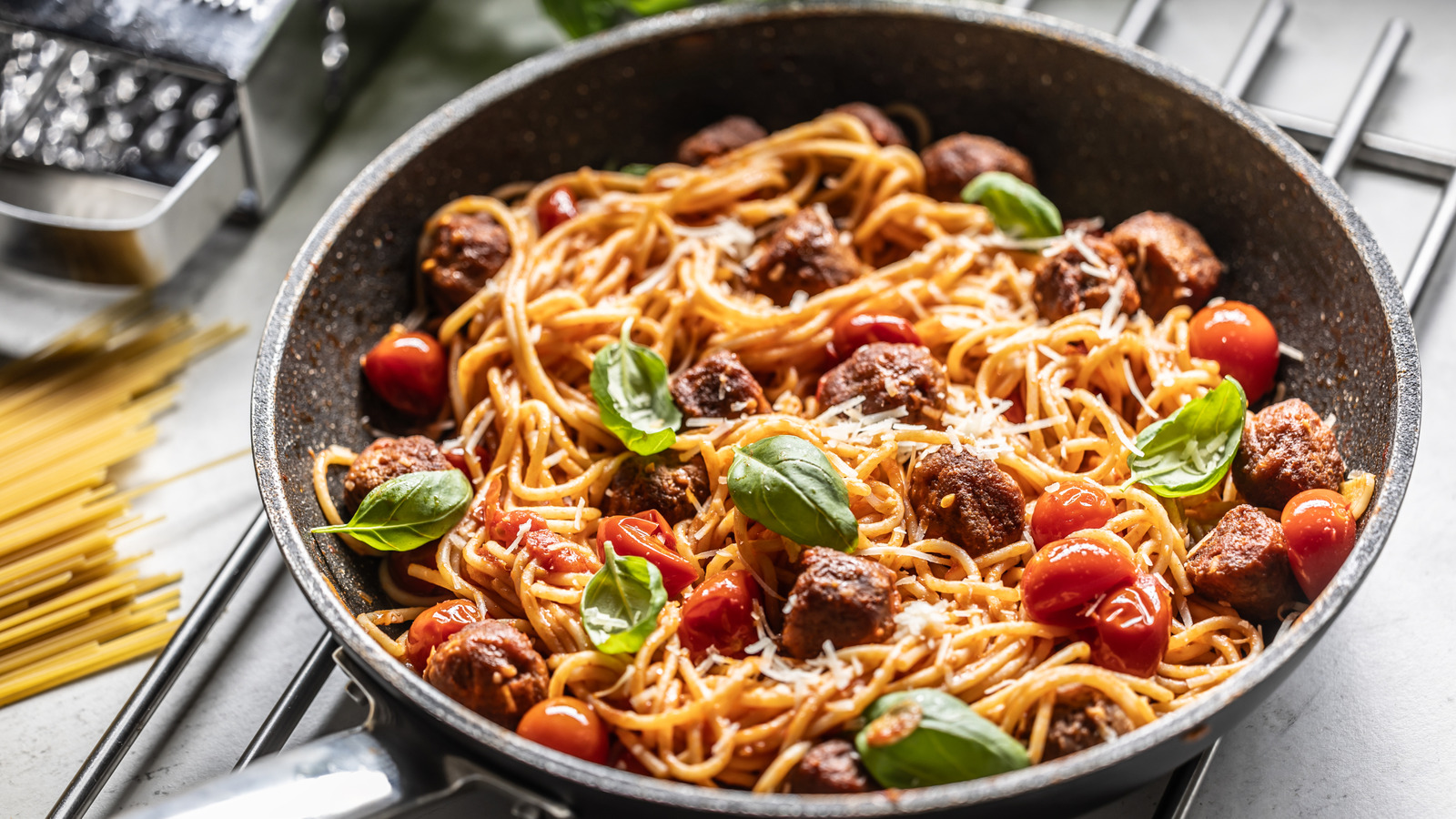
- Tomato and Parmesan: A classic pairing, like in pasta sauce, where the glutamate from tomatoes and the glutamate/nucleotides from Parmesan create a profound savory experience.
- Mushroom and Soy Sauce: Sautéing mushrooms with a dash of soy sauce not only seasons them but also brings together two potent umami sources for maximum impact.
- Kombu and Bonito Flakes: The foundation of traditional Japanese dashi, combining glutamate-rich kombu with inosinate-rich bonito flakes yields an incredibly complex and savory broth.
- Meat and Mushrooms: Adding sautéed mushrooms to a beef stew or a bolognese sauce is a fantastic way to deepen its savory profile.
Cooking Techniques that Amplify Umami
How you prepare your food can dramatically influence its umami content.
- Browning and Roasting: The Maillard reaction, responsible for the browning of meats and vegetables, creates hundreds of new flavor compounds, many of which contribute to umami. Searing a steak, roasting vegetables, or toasting nuts will boost their savory notes.
- Slow Cooking and Reduction: Long, slow cooking in stews, soups, or braises allows ingredients to break down, releasing more L-glutamate into the liquid. Reducing sauces concentrates these flavors, making them intensely umami-rich.
- Fermentation: As seen with soy sauce, miso, and aged cheeses, fermentation naturally increases umami compounds. Incorporate fermented foods into dressings, marinades, or as condiments.
- Drying: Drying concentrates flavors, making ingredients like sun-dried tomatoes and dried mushrooms significantly more potent in umami than their fresh counterparts.
Flavor Building Blocks
Think of umami-rich ingredients as essential building blocks for your culinary creations.
- Broths and Stocks: Start with an umami-rich base. A simple dashi, a slow-simmered beef stock, or even a vegetable broth fortified with mushroom stems can lay a fantastic savory foundation for soups, risottos, and sauces.
- Marinades and Rubs: Use ingredients like miso paste, soy sauce, or finely grated Parmesan in your marinades to infuse meats and vegetables with deep savory flavors before cooking.
- Condiments and Finishes: A sprinkle of nutritional yeast, a dash of fish sauce, a spoonful of tomato paste, or a grating of aged cheese can be added at the end of cooking or tableside to instantly boost the umami in a dish.
- Utilize Scraps: Don't discard mushroom stems, Parmesan rinds, or vegetable trimmings. These can be simmered in water to create an instant umami-packed broth.
The global impact of umami's discovery has revolutionized culinary practices worldwide, making it an exciting area for any food enthusiast to explore. For further reading on its journey from discovery to global phenomenon, check out
From Japan to Global Plates: The Impact of Umami's Discovery.
Conclusion
Umami is far more than just a buzzword; it's a fundamental taste that adds depth, complexity, and undeniable satisfaction to our food. By understanding the science behind L-glutamate and its synergistic partners, and by consciously incorporating naturally umami-rich foods into your cooking, you can transform everyday meals into extraordinary culinary experiences. Experiment with different combinations, embrace traditional cooking techniques that amplify savory notes, and taste the difference. Unleash the power of umami in your kitchen, and your dishes will never be the same again.